
Key Takeaways
- San Francisco’s Labor and Employment Code (L.E.C.) Article 102 requires prevailing wage rates for workers at events held on city-owned property, including AV technicians, theatrical workers, broadcast crew, and load-in/load-out labor.
- The rule applies when your event permit or venue agreement comes from the City and County of San Francisco, not just when a city agency is paying for the event.
- Common San Francisco venues like Pier 27, and Pier 48 fall under city property rules and trigger prevailing wage requirements.
- Several exemptions exist, including certain nonprofit fundraisers, free public concerts, and events sponsored by primary or secondary schools.
- Working with an AV company that already understands prevailing wage environments will save you time, money, and compliance headaches during budget planning.
If you’ve ever planned a corporate conference or nonprofit gala at a venue like Pier 27, you may have heard someone mention “prevailing wage” in the same breath as your venue contract. A lot of planners nod along and then quietly wonder what it actually means for their AV budget. So let’s break it down in plain terms.
What Is Prevailing Wage?
Prevailing wage is a legally set minimum pay rate for workers on certain types of projects or in certain work environments. The idea comes from labor law and has roots going back to the federal Davis-Bacon Act, which covers federally funded public works construction. But San Francisco has its own separate, broader set of rules that go well beyond construction.
Under San Francisco’s Labor and Employment Code (L.E.C.) Article 102, prevailing wage requirements apply to a range of non-construction work categories when that work happens under a contract, permit, or agreement for the use of city-owned property. The rates aren’t just base pay either. They include fringe benefits or their cash equivalents, which means your AV technicians’ pay must reflect what’s considered standard in the private market for that type of work in the San Francisco area.
The San Francisco Office of Labor Standards Enforcement (OLSE) is the agency responsible for enforcing these requirements and setting the applicable rates. If you have questions about your specific event situation, OLSE is the right place to start.
Why It Matters for Events on City Property
Here’s the core issue: the rule isn’t just for construction crews building public infrastructure. It applies to events.
Specifically, when a venue agreement, permit, lease, or franchise is issued by the City and County of San Francisco for the use of city-owned property, that agreement must include a provision requiring prevailing wage pay for covered workers. And the AV crew working your event can absolutely fall into covered categories.
This catches planners off guard fairly often because they’re focused on the venue contract itself, not the labor compliance requirements attached to it. The requirement flows from the city’s role as the property owner, so it doesn’t matter whether a city agency is sponsoring your event or not. What matters is whether the property is city-owned.
Which AV Workers Are Covered?
Several categories under L.E.C. Article 102 are directly relevant to AV production:
Theatrical Workers (L.E.C. Art. 102.4) covers workers involved in live event production. This is the category most likely to apply to AV technicians working a conference, general session, or corporate event on city property.
Trade Show and Special Event Work (L.E.C. Art. 102.8) applies to anyone doing exhibit, display, or trade show work at a special event on city property. Under the ordinance, this covers the on-site installation, setup, assembly, and dismantling of temporary exhibits, displays, booths, signage, and similar elements. Corporate conferences with branded staging and breakout setups often fall here.
Broadcast Services Workers on City Property (L.E.C. Art. 102.9) covers workers doing the electronic capture or live transmission of audio and video content for commercial purposes on city property. That means livestream and hybrid event production crew could be subject to prevailing wage if the event is on city property and the content is captured for commercial use.
Loading and Unloading (L.E.C. Art. 102.10) applies to workers loading or unloading materials and equipment from commercial vehicles on city property in connection with a show or special event. In other words, your load-in and strike crews may also be covered.
It’s worth noting that these different categories have their own rate charts, updated periodically by the City. The rates for these crafts came into effect as a matter of law on January 1, 2026, per L.E.C. Article 103.2.
Which San Francisco Venues Are Affected?
If the venue is owned by the City and County of San Francisco and your permit or agreement to use it comes from the city, the prevailing wage rules apply. Some well-known SF event venues that fall into this category include:
- Pier 27 and Pier 48: These piers are Port of San Francisco property. The Port is a city agency, and permits issued by the Port for events can trigger prevailing wage requirements for applicable worker categories.
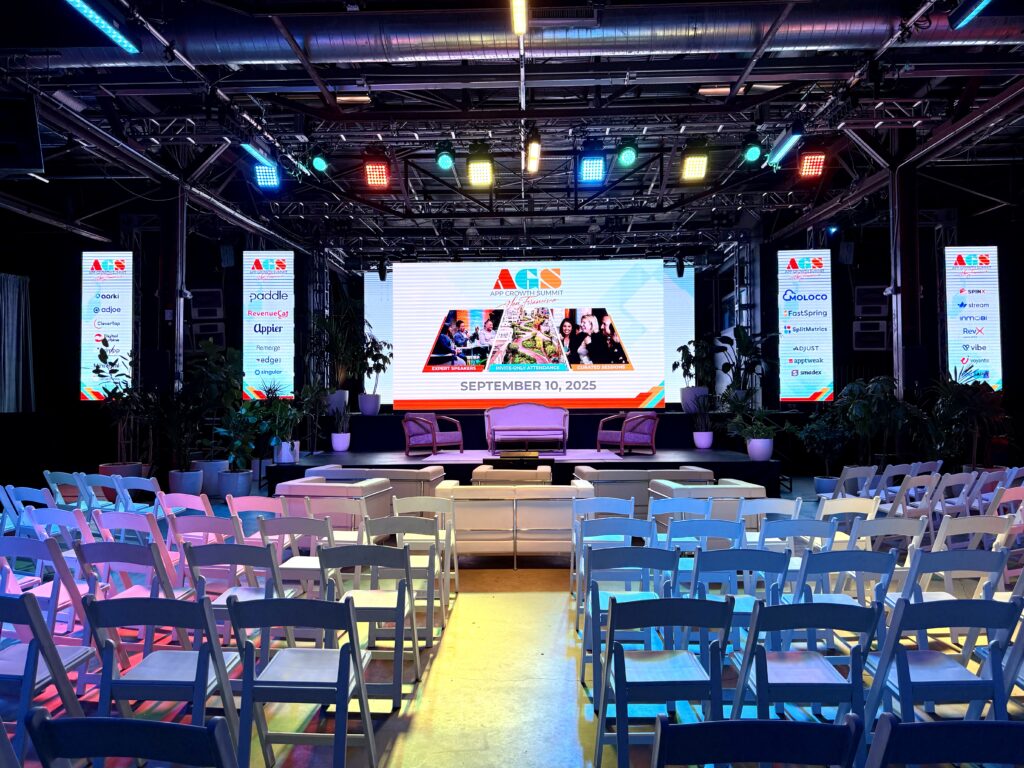
We’ve produced events at Pier 27 and Pier 48, among many other venues across San Francisco. Knowing which labor rules apply at each venue is part of what we bring to the planning process.
When in doubt, look at who issued your permit or venue agreement. If it came from a city agency, it’s worth confirming whether prevailing wage provisions are included in the contract language.
Exemptions Worth Knowing
Not every event on city property triggers prevailing wage for every worker category. Several exemptions exist under L.E.C. Article 102, and a few are especially relevant for the types of clients we typically work with:
- Nonprofit fundraisers: Under both Art. 102.8 and Art. 102.9, events sponsored by nonprofit entities where the primary purpose is fundraising may be exempt from some prevailing wage requirements. However, this exemption does not apply to collegiate or professional sporting events.
- Free concerts in public parks: Events that are concerts open to the public at no charge are generally exempt under the broadcast services provisions.
- Educational institutions: Events sponsored by primary or secondary schools are generally exempt from the broadcast services prevailing wage requirements.
- Personal use content capture: If video or audio is being captured solely for personal use, the broadcast services prevailing wage requirement doesn’t apply.
These exemptions are defined specifically in the ordinance, and the details matter. We’d strongly recommend reviewing your venue agreement and consulting with your labor compliance advisor or OLSE directly if you’re unsure whether your event qualifies.
What This Means for Your AV Budget
Prevailing wage rates in San Francisco are generally higher than standard market rates, and they include fringe benefits. That affects your AV production costs in real terms.
But it doesn’t have to be a surprise.
If you build your event budget with prevailing wage in mind from the start, it becomes a known line item rather than a last-minute shock. The biggest mistake we see is planners receiving a quote from an AV company that hasn’t accounted for prevailing wage, then finding out mid-planning that the numbers don’t work.
An experienced AV production company in San Francisco that’s familiar with these requirements will factor them into your quote upfront. No games, no surprises.
Working With a Team That Already Understands This
At Fog City Audio Visual, we’ve been producing events in both union and prevailing wage environments across San Francisco and the Bay Area for more than 20 years. We know which venues carry these requirements, how the different worker classifications apply to a given event setup, and how to build accurate budgets that reflect the real cost of compliant production.
That experience matters when you’re managing a corporate conference at a city-owned venue and can’t afford to find out at the last minute that your AV crew costs need to be restructured.
Whether you’re planning a large multi-day conference or a smaller executive meeting, we can walk you through what to expect at your specific venue and make sure your production budget reflects the full picture. Reach out to the Fog City Audio Visual team to talk through your event.
Frequently Asked Questions
What is the prevailing wage rule for events in San Francisco?
San Francisco’s Labor and Employment Code Article 102 requires that workers performing certain types of work on city-owned property, including AV technicians, theatrical workers, broadcast crew, and load-in/load-out labor, be paid no less than the prevailing rate of wages for that type of work in the area. The rule applies when your venue agreement, permit, or lease comes from the City and County of San Francisco.
Does prevailing wage apply to all AV events in San Francisco?
No. The requirement applies specifically to events on city-owned property when the permit or venue agreement is issued by the City. Private venues, hotels, and conference centers that aren’t city-owned are generally not subject to San Francisco’s prevailing wage rules for non-construction work.
Which San Francisco venues trigger prevailing wage requirements for events?
Venues where permits or agreements are issued by city agencies can trigger these requirements. Examples include Pier 27 and Pier 48 (Port of San Francisco properties) where city prevailing wage provisions appear in the permit terms. Always review your venue contract to see if prevailing wage language is included.
Are nonprofit events exempt from San Francisco’s prevailing wage rules?
In some cases, yes. Events sponsored by nonprofit organizations where the primary purpose is fundraising may qualify for exemptions under certain categories of L.E.C. Article 102, such as the trade show/special event and broadcast services provisions. The exemptions have specific conditions, so it’s best to review the ordinance language or consult OLSE directly.
How does prevailing wage affect AV production costs?
Prevailing wage rates, which include fringe benefits, are generally set above standard market rates. This means AV labor costs at events on city property can be higher than at private venues. Working with an AV company that understands these requirements and builds them into estimates from the beginning helps avoid budget surprises later in the planning process.
What categories of AV workers are covered by San Francisco’s prevailing wage rules?
Under L.E.C. Article 102, relevant categories for AV production include Theatrical Workers (Art. 102.4), Trade Show and Special Event Workers (Art. 102.8), Broadcast Services Workers on City Property (Art. 102.9), and Loading and Unloading workers (Art. 102.10). Each category has its own rate schedule, which is set and updated by the City.
Who enforces prevailing wage rules for events in San Francisco?
The San Francisco Office of Labor Standards Enforcement (OLSE) is responsible for enforcing prevailing wage requirements for non-construction work, including events on city-owned property. OLSE can be reached at 415-554-6573 or at prevailingwage@sfgov.org with questions about your specific situation.
Disclaimer: This post is intended for general informational purposes only and does not constitute legal or labor compliance advice. Prevailing wage rules are complex and fact-specific. Consult with a qualified labor law attorney or contact the San Francisco Office of Labor Standards Enforcement (OLSE) directly for guidance on your specific event and venue situation.